
Grand Canyon National Park recently announced that the park will be temporarily closing to overnight hotel stays starting on December...
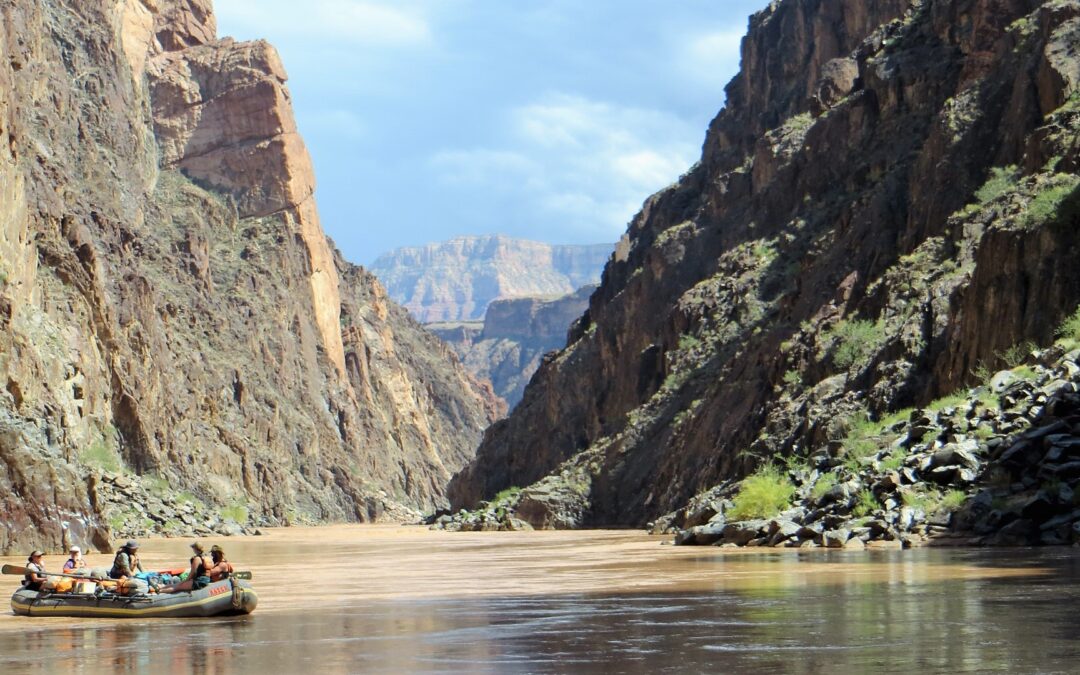
Temporary hotel closures at Grand Canyon and why you should get travel insurance
read more
Featured from Blog
Grand Canyon National Park recently announced that the park will be temporarily closing to overnight hotel stays starting on December...
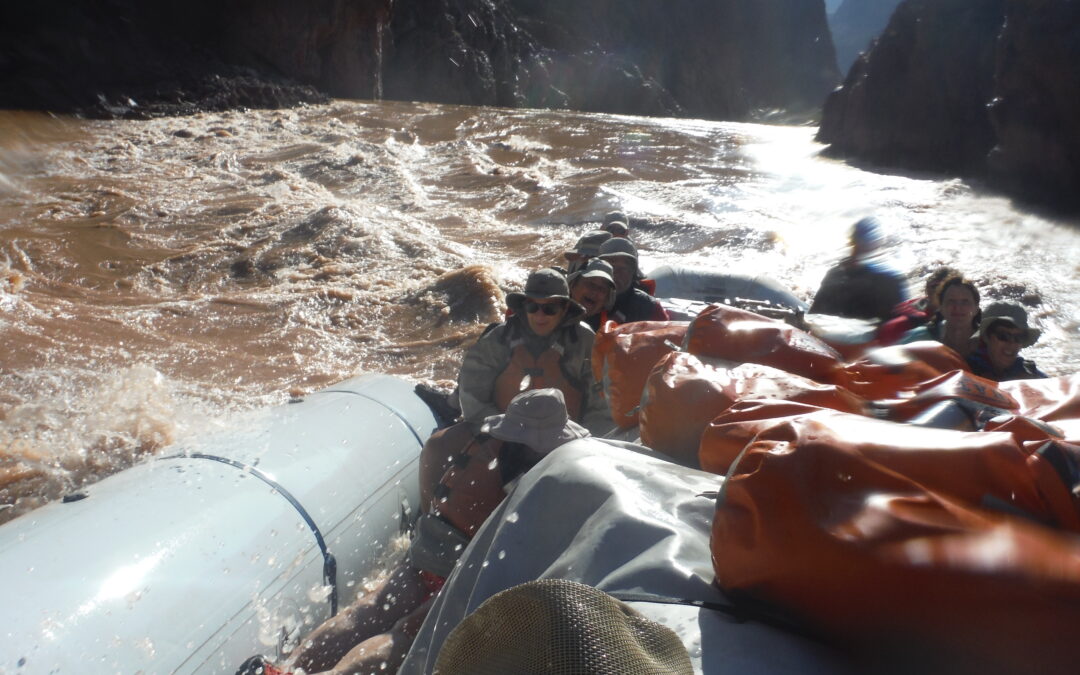
Grand Canyon rafting trips in July and August amazing—here are 5 reasons why! Perhaps our most asked question in the Hatch office is:...

The Grand Canyon is home to an incredible variety of wildlife—some of which can’t be found anywhere else on Earth. One such animal is the Grand Canyon Rattlesnake.
Now, I get it—snakes, especially venomous ones, tend to freak people out. But maybe after learning a little about this unique species, they might seem a little less scary… and maybe even a bit admirable.
As the name suggests, the Grand Canyon Rattlesnake is found only within the Grand Canyon. It’s a species perfectly adapted to this rugged, dramatic landscape. These snakes are typically found below the canyon rim, especially near the Colorado River and its tributaries. They prefer the cooler, riparian environments that the river provides—honestly, who can blame them? In the desert heat, being near water sounds pretty good to me, too.
Occasionally, they’ll venture slightly higher into talus slopes within the canyon, but they rarely stray far from the water.
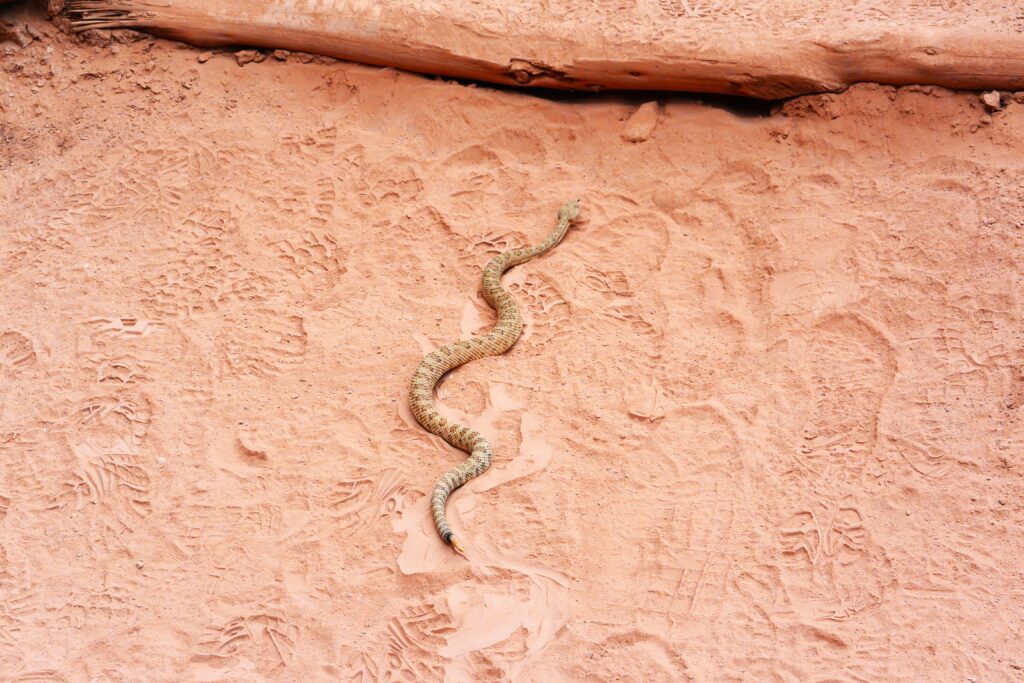
Identifying a Grand Canyon Rattlesnake is fairly easy. Like other rattlesnakes, they have the classic diamond pattern on their backs and a rattle at the end of their tails. But their most distinctive feature? Their color. These snakes have a pinkish tint to their scales that closely matches the reddish-pink rocks of the canyon. This natural camouflage helps them blend seamlessly into their surroundings. Because of their hue, they’re often affectionately called “pink rattlesnakes.”
When fully grown, they typically measure between 3 and nearly 4 feet long.
In winter, these snakes enter a state of dormancy, similar to hibernation, becoming almost completely inactive. But as temperatures rise in summer, they become more active, especially during the early mornings and evenings when it’s cooler. During the hottest parts of the day—and the dead of night—they usually rest and stay out of sight.
Their diet includes a variety of small animals: mice, birds, frogs, and lizards—basically any small critter they can catch.
Despite their fearsome reputation, Grand Canyon Rattlesnakes are pretty docile. As long as you don’t bother them, they’re unlikely to bother you. While sightings aren’t extremely common, they do happen—and if one is nearby, you’ll probably know it. Their rattle is their way of saying, “Hey, you’re in my space.” If you hear that sound, pause, look around carefully, and calmly back away. Give them their space, and they’ll do the same.
Want to see what other snakes call the Grand Canyon home? Check out this blog!

If you’re rafting when there are monsoons in Grand Canyon, you might experience something incredible Imagine this: It’s your second day in the canyon and you are overwhelmed by how monumentally tall the walls around you seem to have gotten in such a short time. In the...
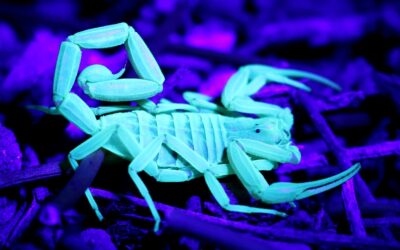
Bugs in Grand Canyon! With Halloween at the end of the week, it will be hard to go anywhere without being inundated by pumpkins, spider webs, costumes, and candy. In the spirit of the season, we thought you might like to know a bit about some of the more...
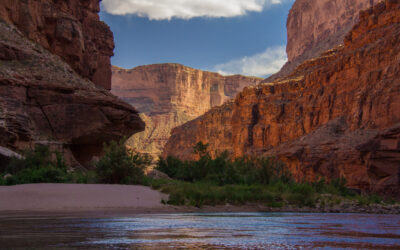
Grand Canyon Q&A: A Conversation with 7th Graders This past week, I got a call from our office asking if I’d be willing to talk to some seventh graders about the Grand Canyon. It was definitely an unusual request for me, but of course I said yes. When I...