
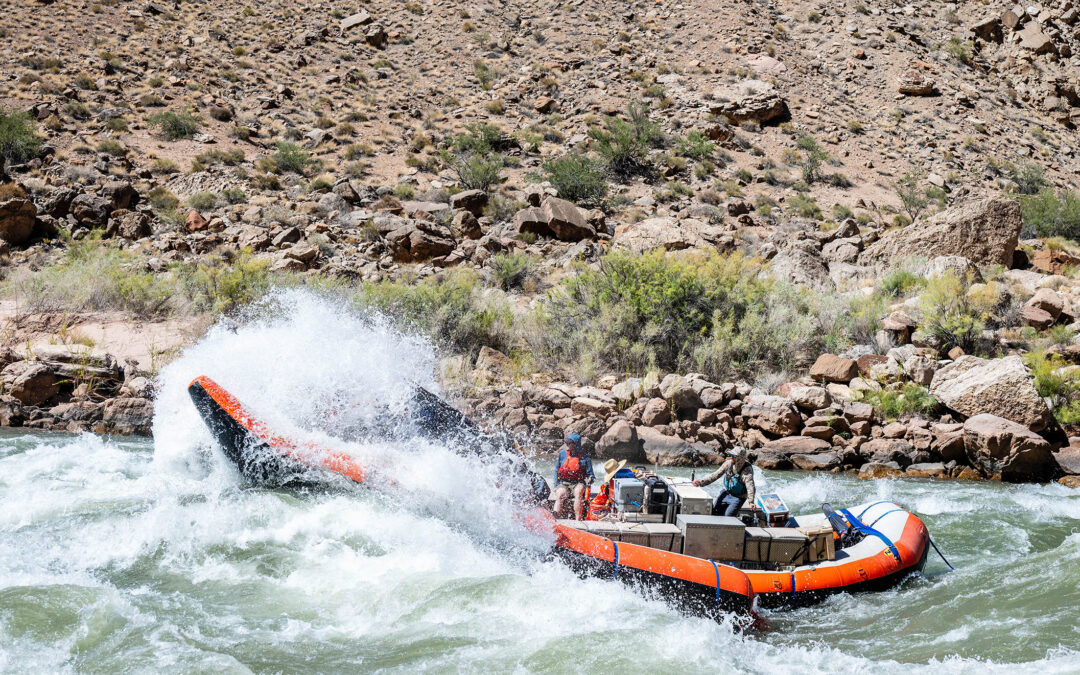
Famous Grand Canyon Rapids The Grand Canyon is a paradise for whitewater adrenaline junkies, so let's look at some of the most...
Famous Grand Canyon Rapids
read more
Featured from Blog
Famous Grand Canyon Rapids The Grand Canyon is a paradise for whitewater adrenaline junkies, so let's look at some of the most...
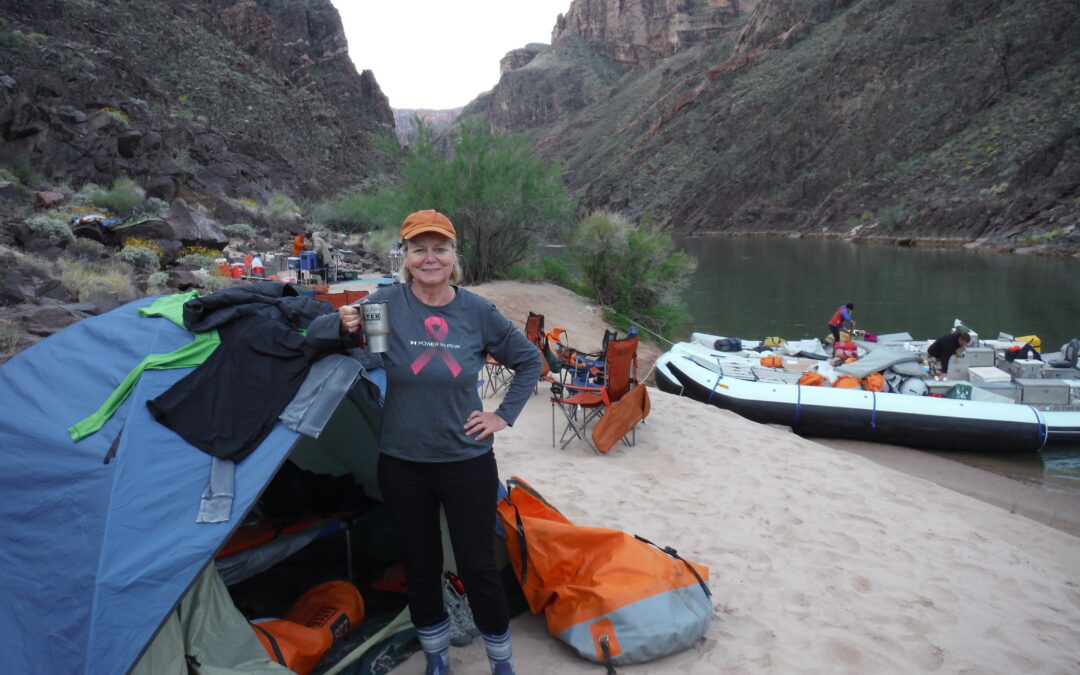
What's Camping with Hatch Like? A big part of every Hatch trip is camping beside the Colorado River every night. But if you’ve never...
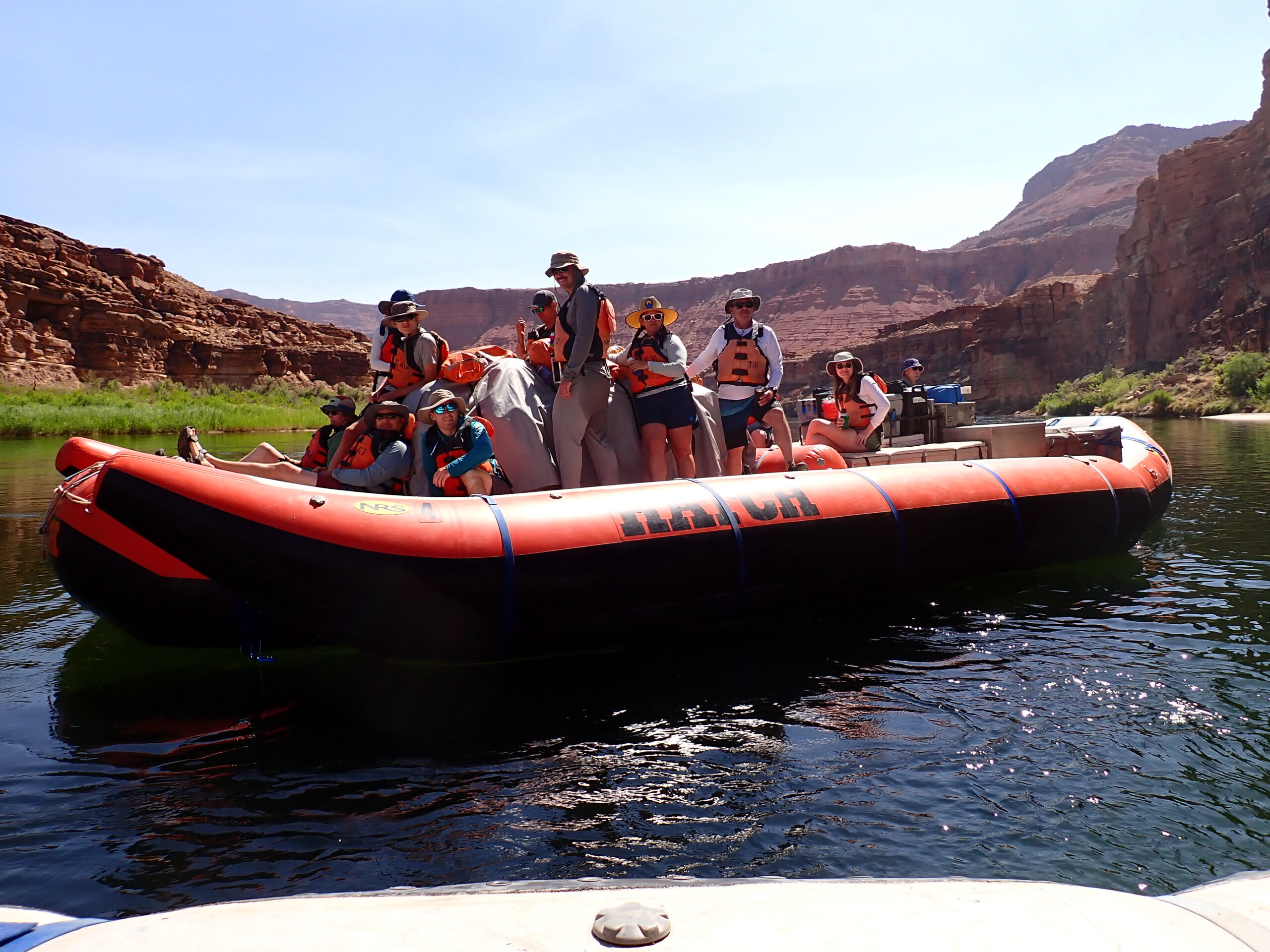
Maybe you’re interested in rafting, but you haven’t really done it before. Maybe you are an experienced rafter, but you want someone else to handle the food, the gear, and the logistics on your Grand Canyon trip. Either way, rafting with Hatch could be the perfect solution!
Office and Warehouse Staff:
Hatch staff members are responsible for trip planning and logistics off the river. They clean and repair boats and equipment, purchase and pack food, schedule guides, make sure guests have everything they need to be prepared, and do everything else they can to make sure our rafting trips run smoothly.
Guides and Swampers:
Hatch guides and swampers do the work of getting the boats and everyone on them down the river. They inject fun and knowledge into the process at every opportunity. They are also there to manage unexpected situations, provide first aid, and look out for everyone’s safety. Plus, they are spectacular camp cooks!
Hatch Guests:
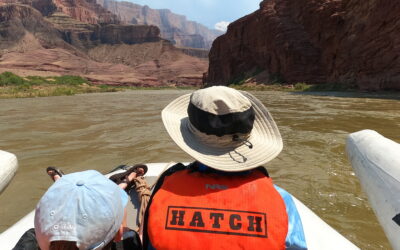
On the river, a Hatch guest has two main roles: sit down & hold on tight! Since our guides are responsible for rowing or driving the boats, our guests get to focus on enjoying the ride, the scenery, and everything else the Grand Canyon has to offer. (In camp, you’ll also have some responsibilities like helping unload the boats, setting up your own camping gear, and washing your own dishes.)
We have two types of rafts—one for motorized trips and one for oar powered trips.
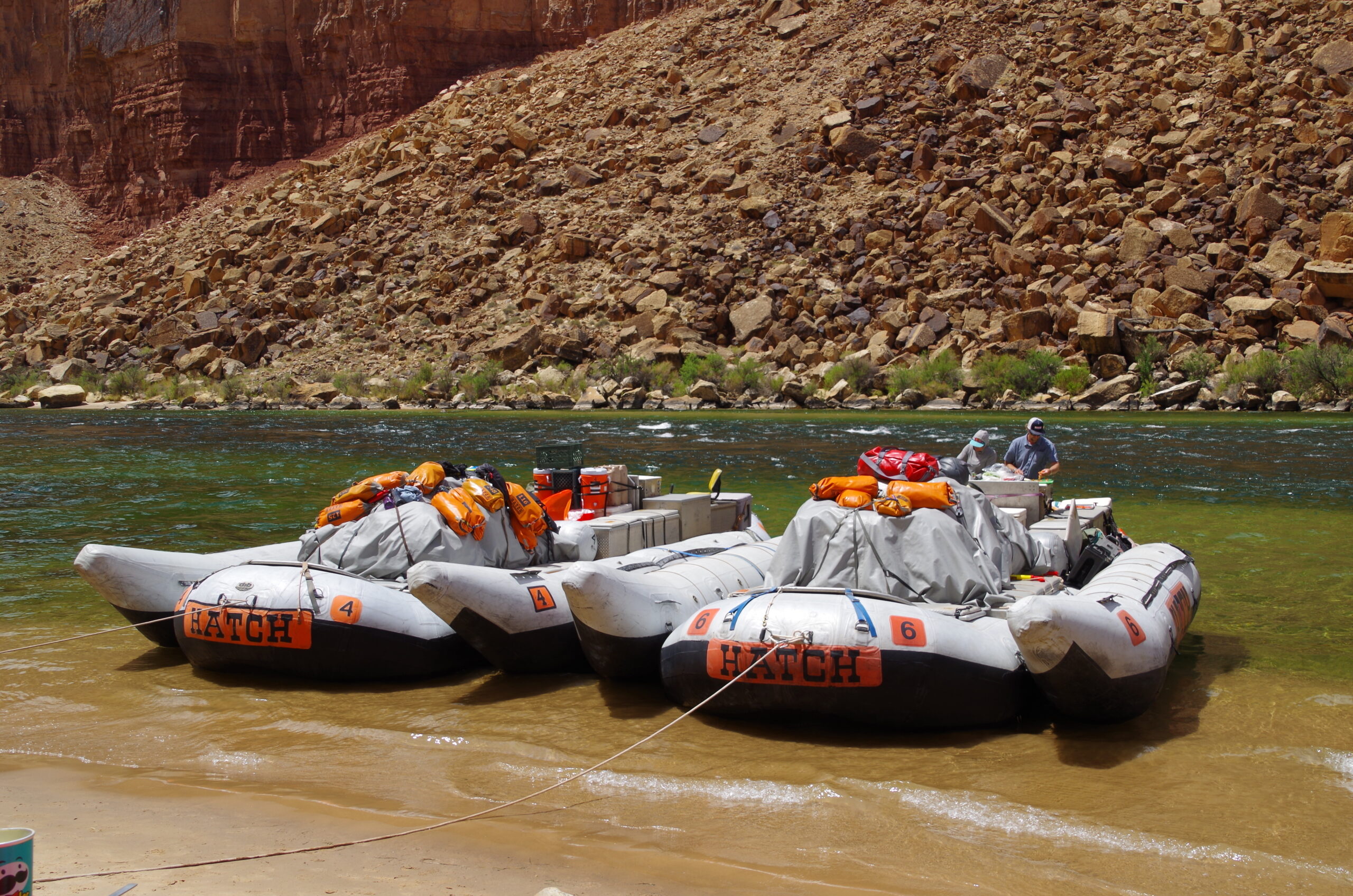 Motorized Rafts: S-Rigs
Our motorized boats are S-Rig style rafts. They are durable rubber rafts with rubber side pontoons, and aluminum frames that allow us to carry gear, store food, and provide comfortable seating. The motors on these rafts allow the trips to power more quickly through long stretches of flatwater, but if you’re picturing a speed boat, you’ve got the wrong idea. Our motorized rafts only travel around 8 miles per hour.
A few more motorized raft facts:
Oar Powered Rafts
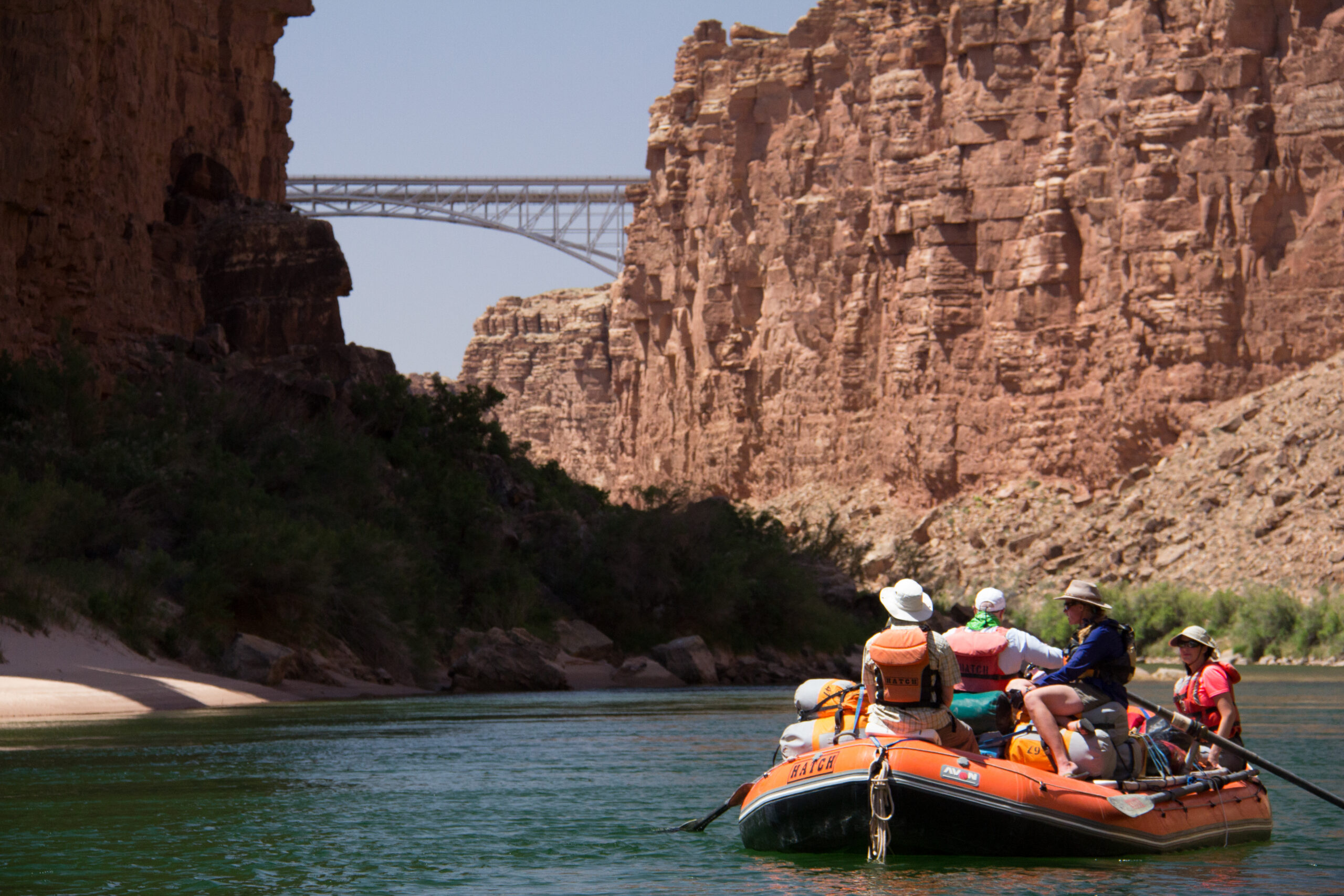
Our oar powered rafts are much smaller than our motorized rafts, but they are similar to the motorized rafts in many ways. These rafts are also made from durable rubber and fitted with aluminum frames for storage and seating. Instead of being powered by a motor at the back, these rafts are rowed by Hatch guides who sit in the middle of the raft.
More facts about oar powered rafts:
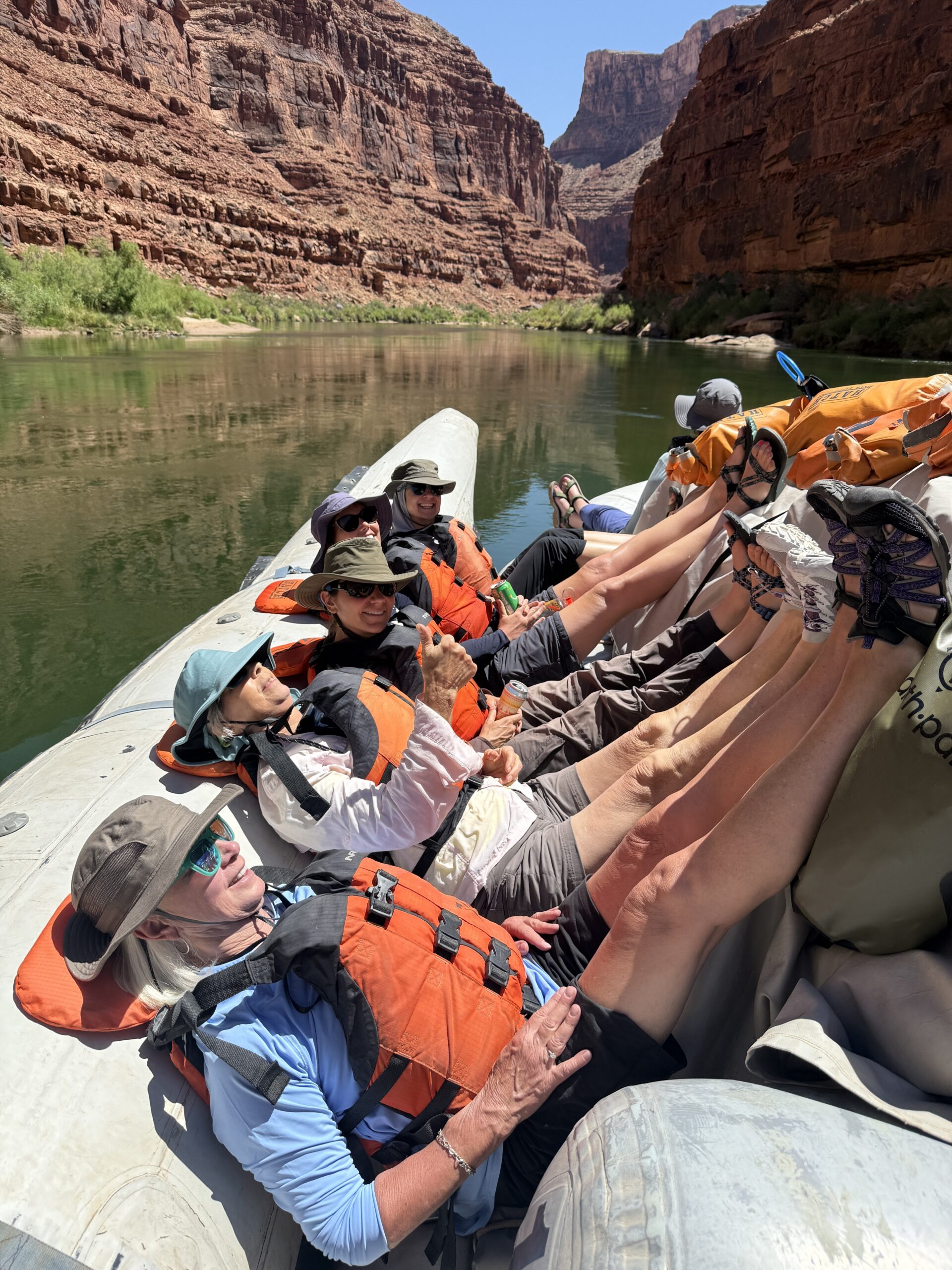
Hatch trips alternate rafting with side canyon stops throughout each day. That means you’ll be on and off the boat A LOT! Typically, you won’t spend more than an hour or two on the boat in a single stretch before stopping to check out something cool—like a hidden waterfall, a fun swimming hole, or a scenic hike. You will also stop sometime around midday for lunch. All told, you’ll probably spend somewhere in the neighborhood of 4 hours on the boat each day.
In some parts of the canyon there are long stretches of flatwater between rapids. These flatwater sections are good opportunities to swap seats with your traveling companions, fill up water bottles, add or remove clothing, or ask the guides questions about the canyon—they are absolutely bursting with information!
In other sections of the canyon, you may travel through numerous rapids all in a row. In these areas, you’ll need to hold on tight and get ready to get wet! We recommend having rain gear at the ready in case those repeat rapids start to make you cold.
When it comes to size, length, elevation change, and technical difficulty, the rapids of the Colorado River really run the gamut. On a trip with Hatch, you’ll experience everything from tiny riffles to big rolling waves. Some rapids are technically difficult to navigate but don’t seem like much to the passengers. Others may feel like a roller coaster ride to passengers, but be straightforward for the guides to navigate. There really is something for everyone!
Rapid Ratings
People commonly ask what the ratings of the rapids on a Hatch trip are, but the question is not as straightforward as it seems. That’s because most rivers are rated on a I-V scale called the International Scale of River Difficulty (ISRD). (This scale also has a class VI designation for rapids that are considered unrunnable.) The Grand Canyon is different. Rapids here are rated on a 1-10 scale. BUT a Grand Canyon 10 is not necessarily equal to an ISRD class V. They’re just different systems of trying to put difficulty values to rapids.
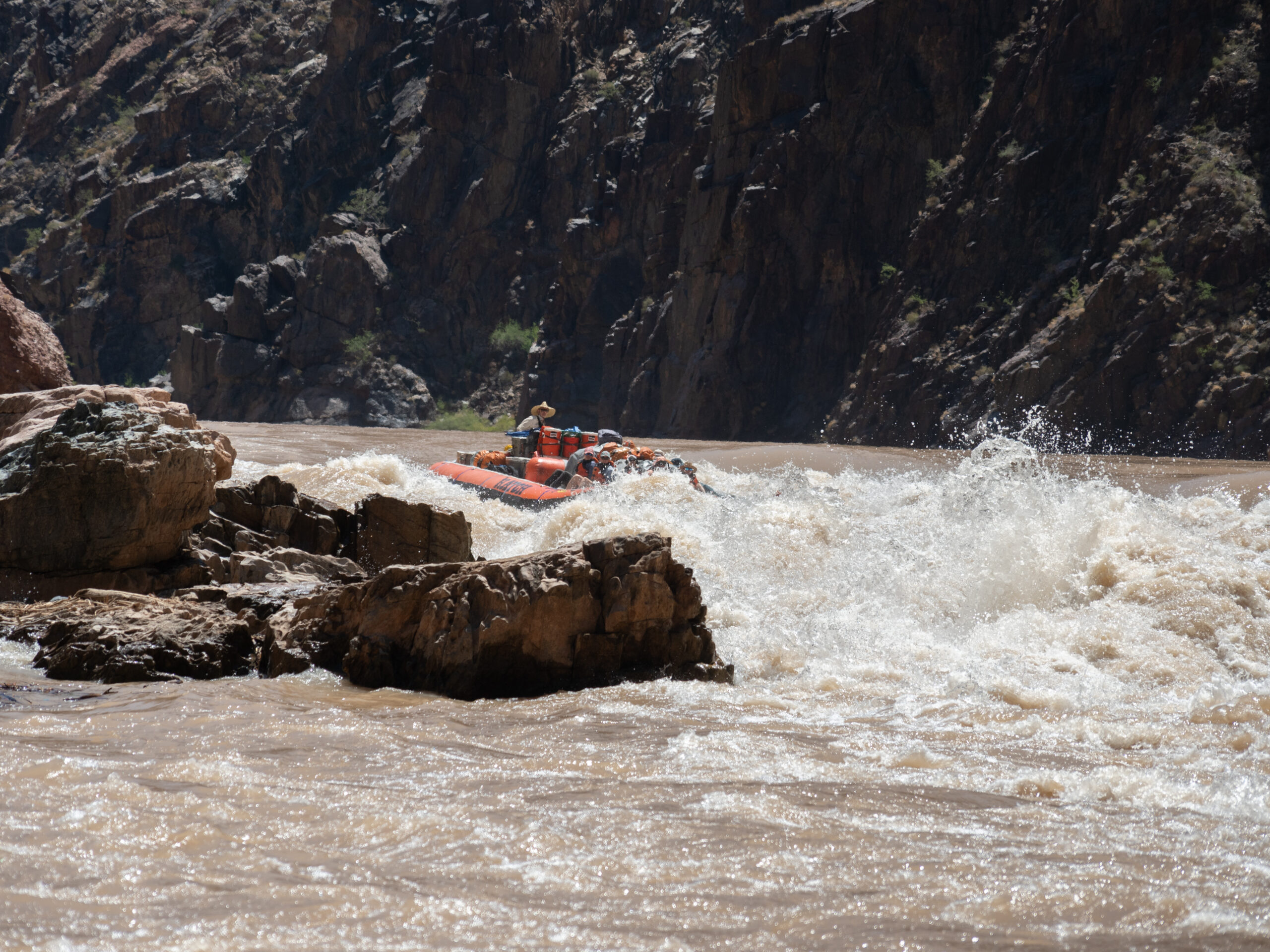
Rating Grand Canyon rapids is also difficult because some of them change A LOT when water levels change. In some cases, the features that make up the rapid (rocks, land slopes, etc.) become completely submerged when the water is running high, making the rapid that forms much smaller. In other cases, more water passing through an area can create a more intense rapid. It all depends on the unique combination of features at each rapid site.
And there’s another complication. When side canyons flash flood (a common occurrence during monsoon season), the powerful rush of water and debris can actually move things around, changing the rapid and how to run it.
With hundreds of rapids, constantly changing water levels, and the potential for major changes when the weather is right, pinpointing the exact rating of each Grand Canyon rapid is a task of epic proportions. (And as experienced Grand Canyon navigators, we know something about epic proportions!)
In general, we say a guest on a rafting trip through the Grand Canyon should be prepared to raft through every size rapid all the way up to a 10!
Want to know more about what a rafting trip with Hatch River Expeditions is like? Our “typical day on the river” and “camping with Hatch” blog posts are a great place to start. If you peruse the rest of our blog, you’ll find more info about our trips, fun Grand Canyon facts, Hatch history, and planning and packing advice.
Why S-Rigs Are the Perfect Boats for Grand Canyon There are countless types of boats in the world, and each serves a different purpose. On our river trips through the Grand Canyon, we use a boat called an S-rig. In our opinion, the S-rig is one of the best boats for...
5 Questions about Hatch Trips (that we get all the time!) A lot of planning goes into a Grand Canyon river trip. Here are a few questions about Hatch trips that we answer often in the Hatch office. 1) How should I prepare for my upcoming trip? Read through ALL...

Questions about drinking water on Hatch river trips don’t necessarily have obvious answers, but this blog is here to answer all your questions!