
The Grand Canyon is Full of Fossils! UPDATE: Today (Wednesday, October 14, 2026) is National Fossil Day! So, we thought it was...

Fossils in the Grand Canyon (It’s full of them!)
read more
Featured from Blog
The Grand Canyon is Full of Fossils! UPDATE: Today (Wednesday, October 14, 2026) is National Fossil Day! So, we thought it was...
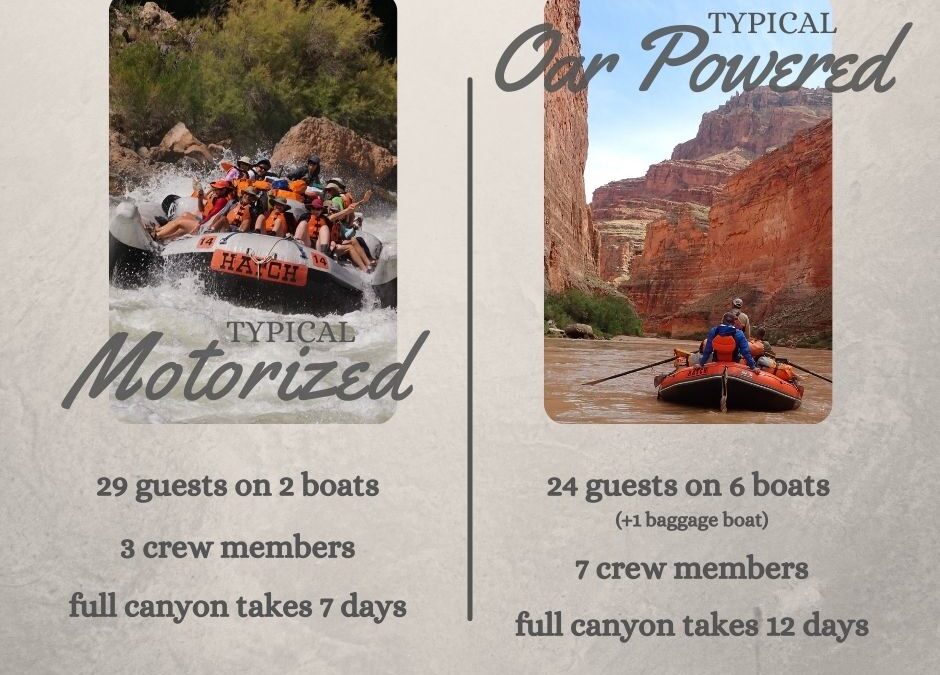
Motorized or Oar Powered? What Is Best for Your Grand Canyon River Trip? Guests who are just starting their vacation planning quickly...
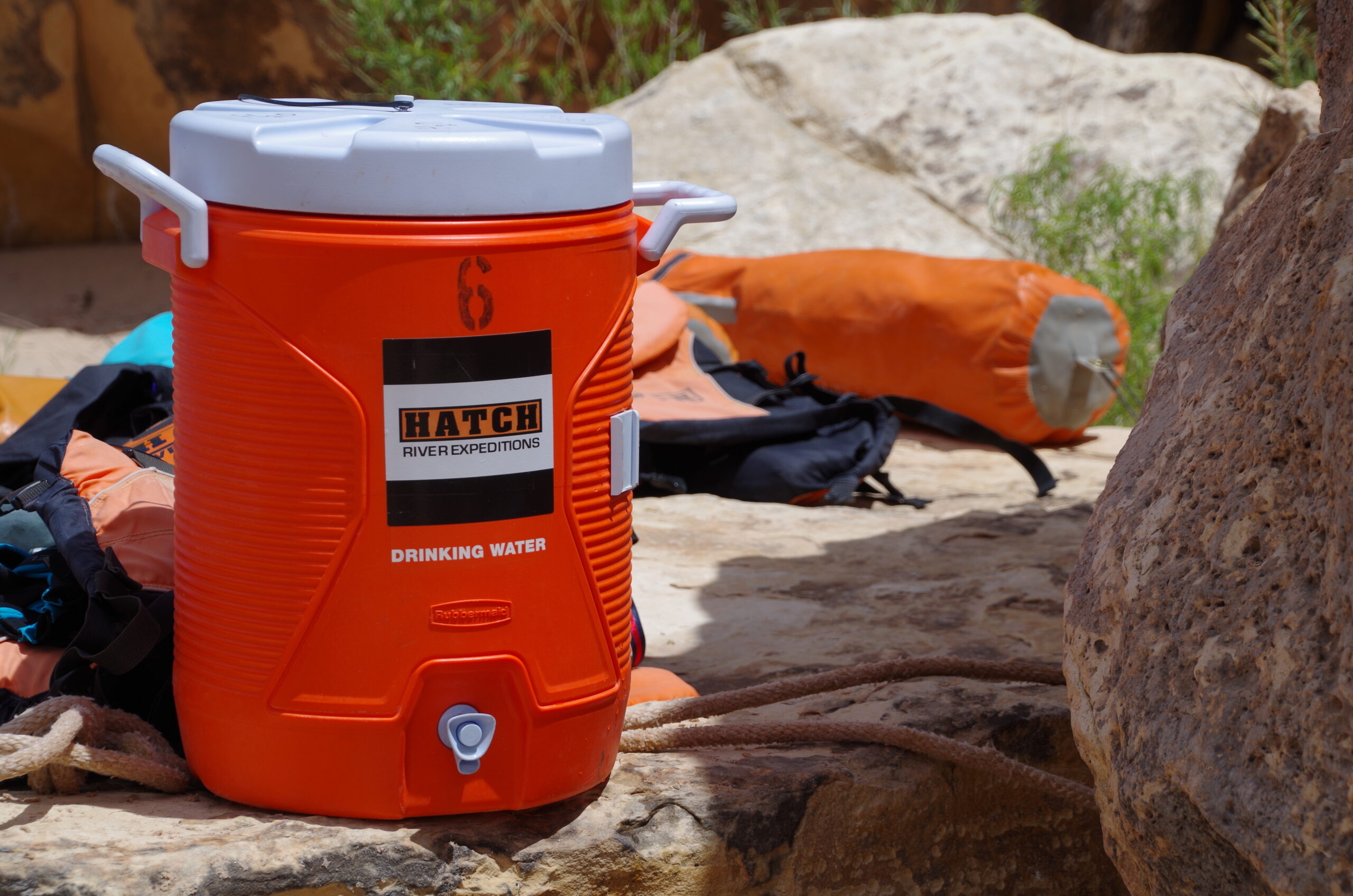
If you’re preparing for an upcoming river trip, you may find yourself thinking about logistics that never occur to you in your daily life. At home, when you need a drink, it’s probably as easy as just turning on the tap. But what about when you’re at the bottom of the Grand Canyon?
Questions about drinking water on Hatch river trips don’t necessarily have obvious answers. If you’ve wondered things like Where exactly does the drinking water come from? When during the day will I be able to get a drink? and What kind of water bottles do I need to bring? this blog is here to answer all your questions!
Where do you get your drinking water?
Our starting supply comes from a spring in Marble Canyon. Once that runs low, we filter water from the river. This process is detailed in our website’s FAQs:
“Each boat on the river will start with 40 gallons of spring water from Marble Canyon, Arizona. Throughout the trip, your guides will replenish your trip’s drinking water reserves by filtering and disinfecting water from the river. River water is filtered first through a 5 micron sediment filter and then through a .5 micron carbon block. The filtered water is subsequently disinfected with chlorine at a ratio of 1 mg/liter (or 1 part per million) per National Park Service requirements.”
Can I bring my own supply of bottled water?
No. Rafting trips through Grand Canyon follow a “pack it in, pack it out” method of bringing gear and supplies—we bring everything we need and take out all of the waste we produce. The one exception to this is the water that we filter from the river, which allows us to save A TON of weight and space.
Since our boats have limits and since we humans need so darn much to drink, it’s just not reasonable for guests to bring their own supplies of bottled water for the trip. (And that’s before we even get into the issue of carrying and throwing away hundreds of empty water bottles each trip!)
 What kind of reusable water bottles do I need to bring?
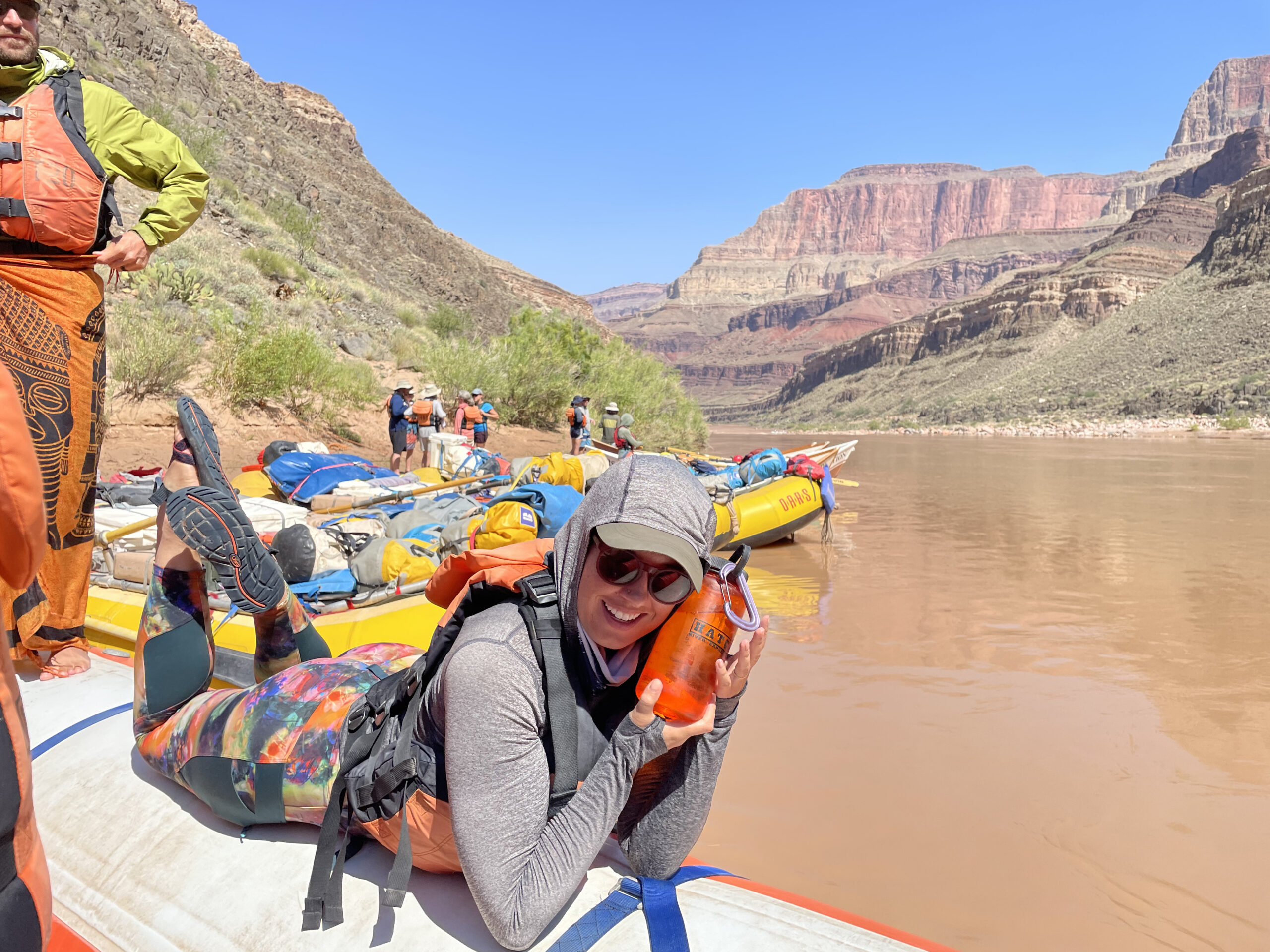
We recommend something durable with a sturdy loop for carrying and clipping onto things. (There are carabiners listed on your packing list for just this reason.) A standard Nalgene bottle is a great example of this, but there are plenty of brands out there that will do the job.
Pro tip: We’ve noticed that water bottles with loops built into their lids have a tendency to come unscrewed, so be careful! Bottles with loops that move independently from the lid or that aren’t part of the lid at all work better.
When is drinking water available?
Any time you’re at the boats, you’ll have access to water. Each boat is equipped with a cooler of water and a cooler of gatorade or lemonade (to help replenish electrolytes). You’ll be able to refill your water bottles as much and as often as you need—as long as you aren’t in a rapid! For most people using one bottle to alternate between water and gatorade works well and means you’ll only have to keep track of one bottle at a time while you’re on the raft.
Wait—didn’t my packing list say to bring two water bottles?
Yes! That was no accident. We recommend bringing two water bottles with a 1 liter capacity (or more if you’re on a trip that requires hiking—we’ll get to that later). There are a couple of reasons for this.
One is that when you hike away from the boats and the river, you might find that you want or need more than 1 liter of water. This is a great time to make sure your second bottle is filled up and stowed away in the small backpack we recommend that you bring.
The second reason is that things get lost on the river! It’s so common for people to lose hats, shirts, shoes, and water bottles, that some guides refer to it as a “sacrifice to the river.” While we hope that everyone does their absolute best to hold onto all the items they bring on their trips— upholding the Leave No Trace ethics we follow—accidents happen. Sometimes an item isn’t properly secured and it gets washed off the boat, or the wind grabs it, or it gets kicked and falls down a cliff, or it gets left behind on a beach by mistake. If you happen to be the person whose water bottle ends up lost, broken, or left behind, you’ll be REALLY glad that you have a spare!
Don’t you give out a water bottle at orientation? Can’t I use that as one of my two?
Nope. What we give you at orientation is an 18 oz coffee mug. Once you’re on the trip, you can put anything you want in it—coffee, tea, water, cocktails—it’s really up to you. But these mugs don’t have the capacity to carry enough water for our hikes and side canyon excursions. Plan to have bottles with a bigger capacity available for your stops.
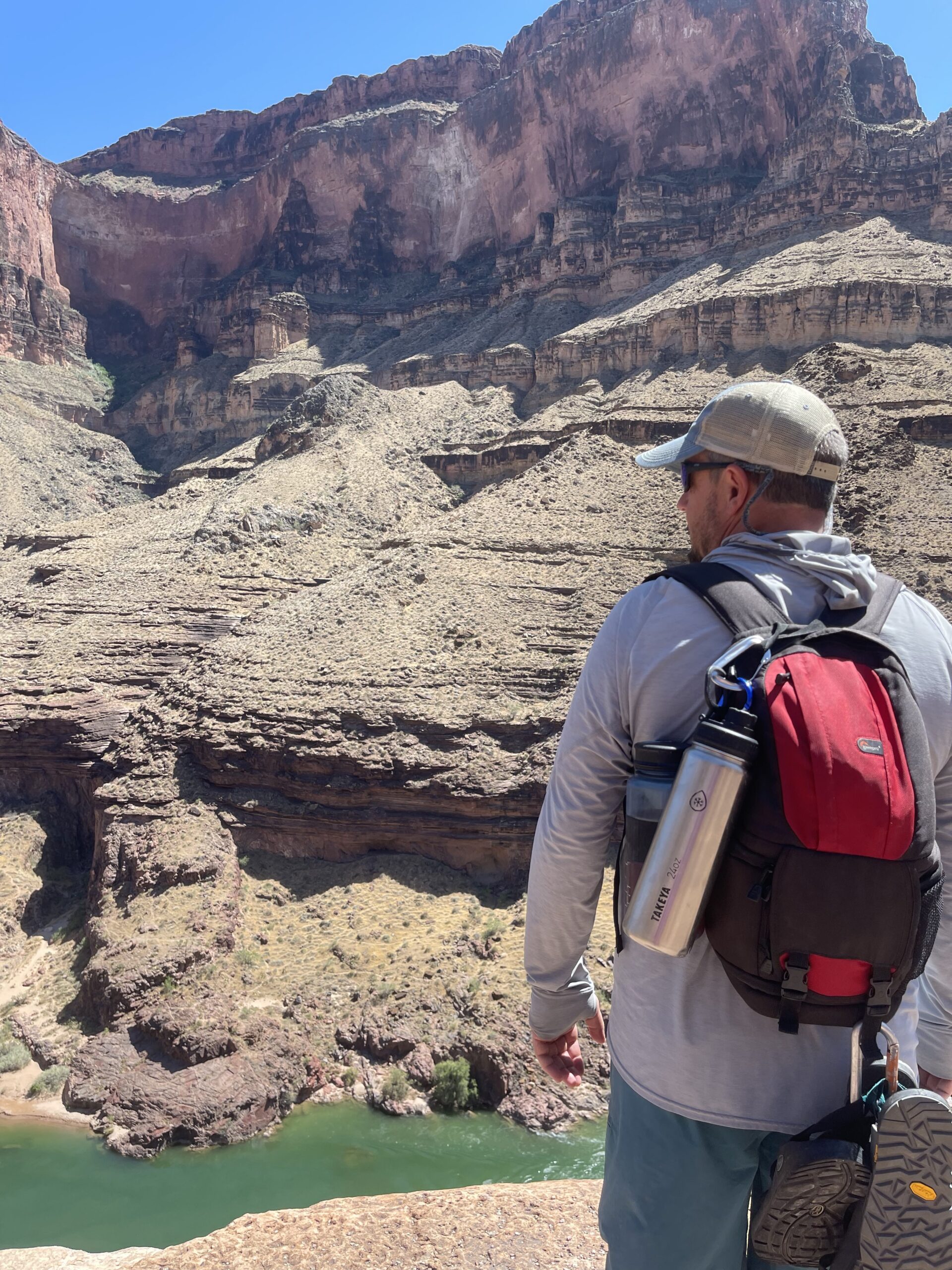
Clip water bottles to your backpack like this Hatch guest, or use a backpack with a water bladder.
Can I use a water bladder like a Camelbak?
Sure! These bladder-style water carriers can be great for taking on hikes, since you don’t have to stop and open your backpack to access them. They can be a little tricker to try to use as a primary water source on the boats, though. If you try to store them inside your day dry bag, you risk them leaking and getting everything wet. They’re also a bit harder to fill than a rigid-sided water bottle.
If you’re going to use a backpack with a water bladder, here’s how we recommend doing it:
How much water should I drink?
Drink when you feel thirsty. Remember that even though you’re on a river, you’re still in the middle of a desert, so you probably need more water than you’re used to drinking. Sweat isn’t necessarily a reliable indicator of how much water you are losing either, since it may evaporate off your skin more quickly here than in other places.
A good way to track whether you’re drinking enough is to think about how often you need to pee. We generally make a pit stop every hour and a half to two hours. You should probably need to pee at most of those stops. If that’s not the case, drink more water! We also have a whole blog post on the ins and outs of hydration that we recommend you take a look at.
I’m on a hiking-focused trip or a trip—what’s different for me?
Chances are some of your hikes will be longer, drier, and hotter than the ones most trips do. That means being doubly sure you have enough water before you leave. Bringing hiking bladders and/or multiple 1 liter water bottles will be pretty essential on a lot of the hikes for these trips.
My trip includes a mandatory hike on the Bright Angel Trail—what’s different for me?
Your biggest water concern will be during your Bright Angel Trail hike. Most people need to drink 3 or more liters of water to complete this hike.
You also have to be prepared to carry all the water you may need. Although the Bright Angel Trail is equipped with water filling stations, we can’t guarantee that those stations will be open. Breaks to the Transcanyon Waterline, which supplies the South Rim with all the water it uses, are common. If the waterline happens to be broken during your hike, you will have only the water you’ve carried with you until you reach the boats.
This means it is critical that you bring enough containers to carry at least 3 liters of water. That might be three 1 liter water bottles, a 2 liter bladder and a 1 liter bottle, or any other configuration that gets you to at least 3 liters of water.
________________
If you have any questions or concerns about your access to water on Hatch River trips, feel free to give our office a call or send us an email. We’re happy to talk through whatever concerns you may have and make sure you are well-prepared for your trip.
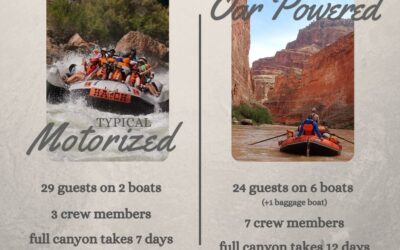
Motorized or Oar Powered? What Is Best for Your Grand Canyon River Trip? Guests who are just starting their vacation planning quickly find that with Hatch they have two main trip types to choose between: Motorized Expeditions and Oar Powered Expeditions. (We also...
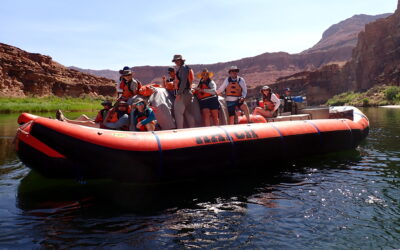
What it's like to go rafting with Hatch Maybe you’re interested in rafting, but you haven’t really done it before. Maybe you are an experienced rafter, but you want someone else to handle the food, the gear, and the logistics on your Grand Canyon trip. Either way,...
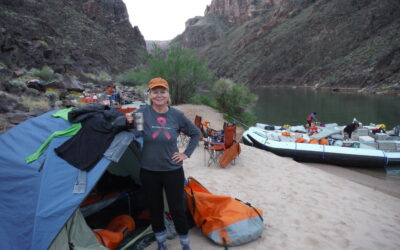
What's Camping with Hatch Like? A big part of every Hatch trip is camping beside the Colorado River every night. But if you’ve never been on a trip before, you may be wondering what exactly that camping looks like. After all, there are a lot of styles of rafting trips...