
The Grand Canyon is Full of Fossils! UPDATE: Today (Wednesday, October 14, 2026) is National Fossil Day! So, we thought it was...

Fossils in the Grand Canyon (It’s full of them!)
read more
Featured from Blog
The Grand Canyon is Full of Fossils! UPDATE: Today (Wednesday, October 14, 2026) is National Fossil Day! So, we thought it was...
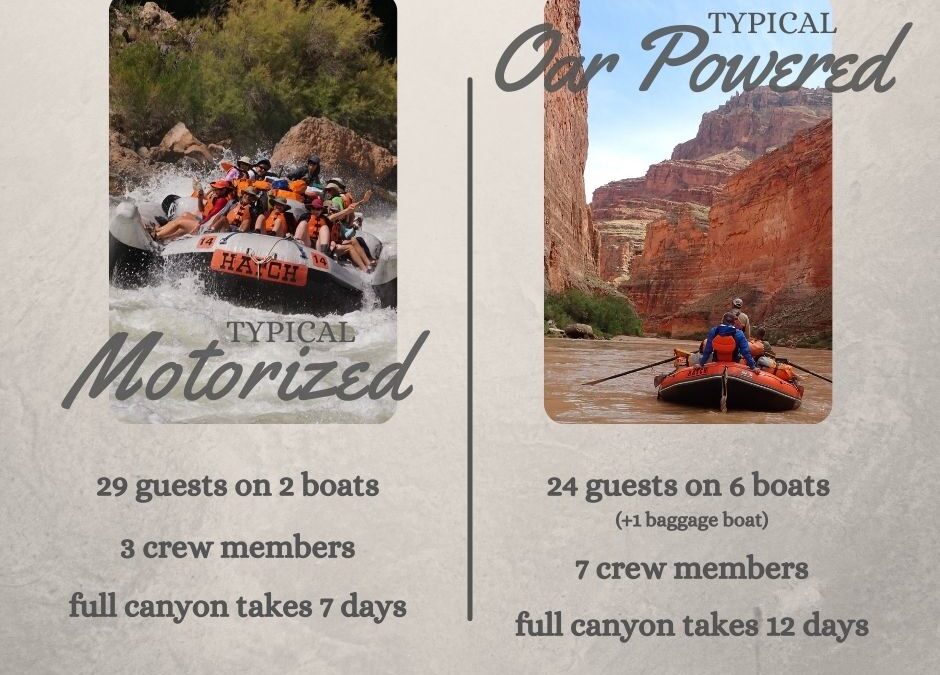
Motorized or Oar Powered? What Is Best for Your Grand Canyon River Trip? Guests who are just starting their vacation planning quickly...
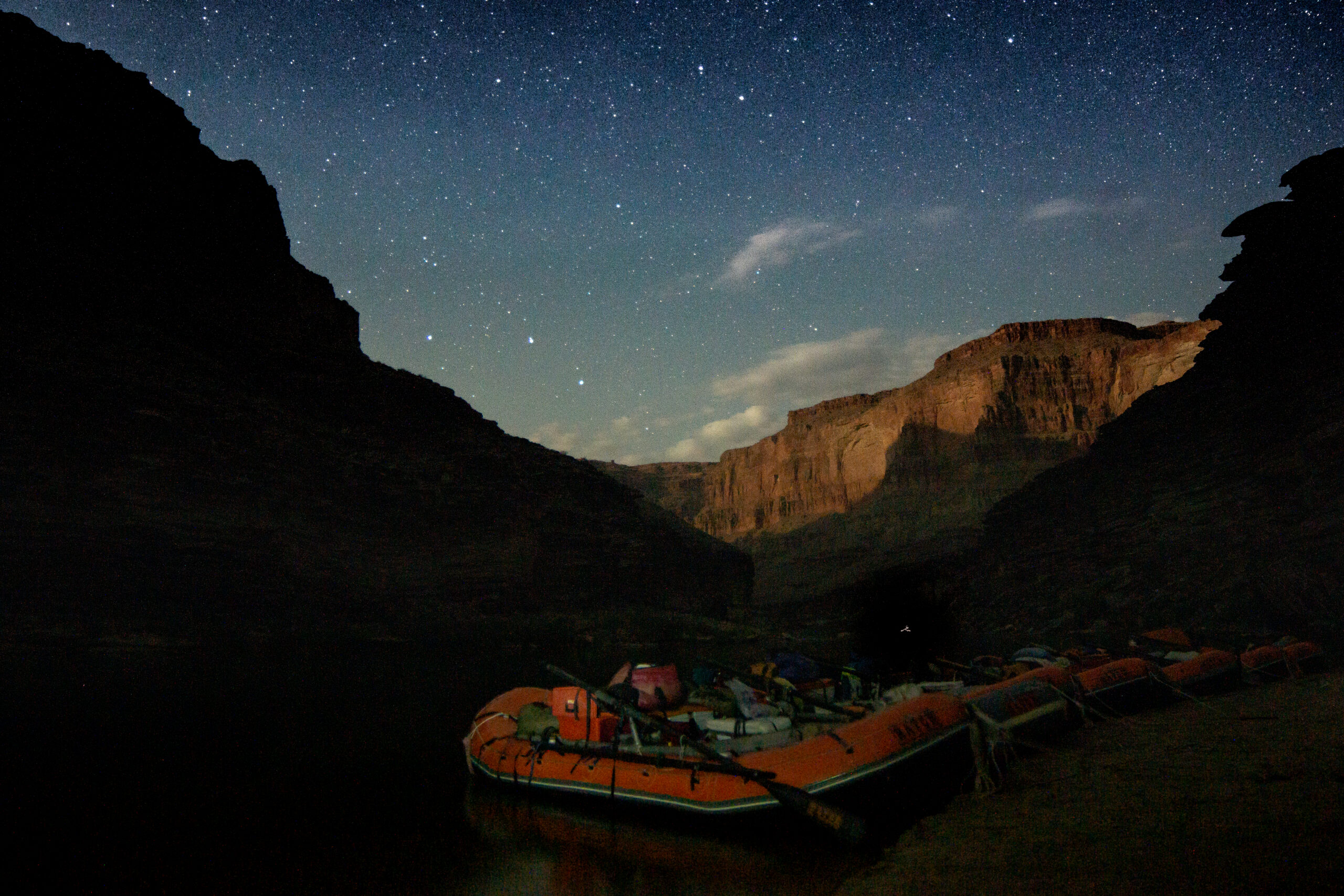
Sleeping in a new place can be hard, even more so when it’s outside. If you’re worried about sleeping on your grand canyon rafting trip we’ve got some tips and tricks that just might help you sleep. Here are some common sleep issues people may have on river trips and how to deal with them.
The grand canyon is notorious for being hot and during the summer, the nights are hot too. But don’t worry here are some quick and easy things you can do to stay cool:
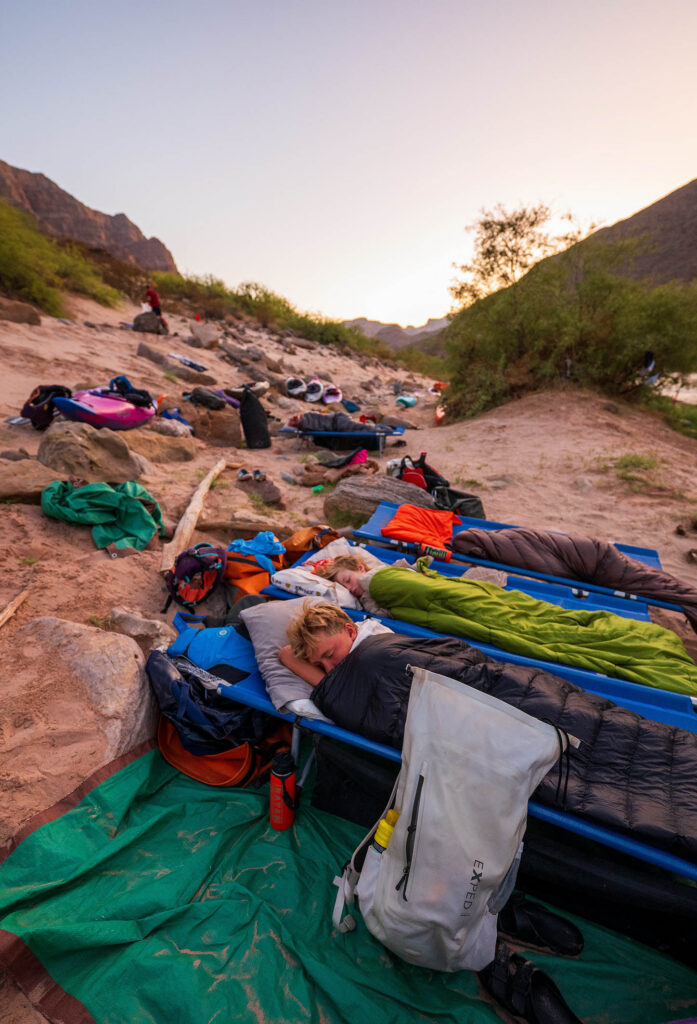 Don’t sleep in a tent! Most of the time we recommend you don’t sleep in a tent. They hold heat and block any sort of cooling breeze. If you do want a tent they will be available on your trip, but this is one of the easiest things you can do to combat the heat at night. Plus if you sleep in a tent you’ll miss out on the amazing view of the stars!
For me personally the sounds of nature especially the river lull me right to sleep, but maybe it keeps you up or maybe there’s a loud snorer next to you. The only solution for that is to bring some earplugs with you or camp further away from the snorer.
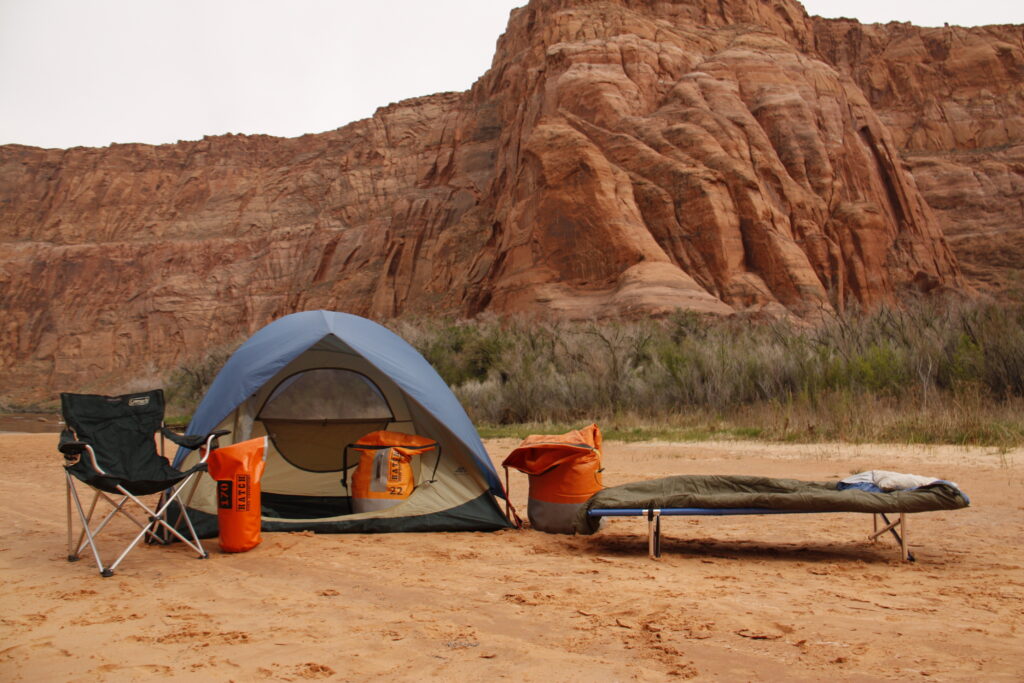 It’s too bright out–
 Most of the time this isn’t an issue, it gets pretty dark at night in the Grand Canyon. However, if you happen to be on a trip with a full moon it can be really bright at night. If you are someone who needs it really dark when you sleep you might want to bring a sleep mask.
Most of the animals in the Grand Canyon tend to avoid us. But just in case you should never keep food at your camp site.
We know sleeping away from home can be hard but hopefully with these tips sleeping on the river will be a bit easier.
Check out some of our other blogs for my tips!
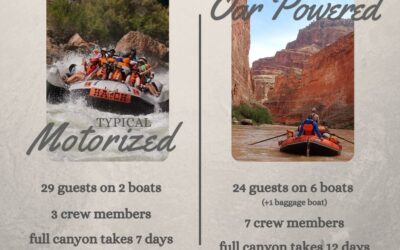
Motorized or Oar Powered? What Is Best for Your Grand Canyon River Trip? Guests who are just starting their vacation planning quickly find that with Hatch they have two main trip types to choose between: Motorized Expeditions and Oar Powered Expeditions. (We also...
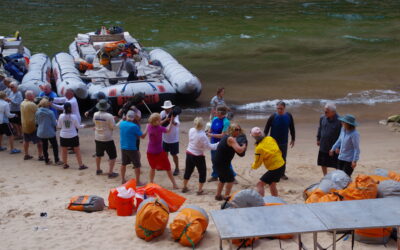
On our trips we use whats called a duffel line to help unload the boats and set up camp, let’s talk about what it is and how to set one up.
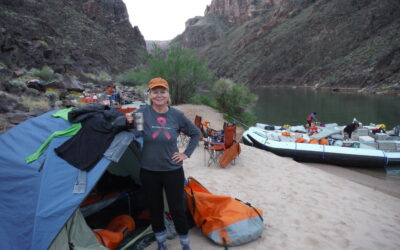
What's Camping with Hatch Like? A big part of every Hatch trip is camping beside the Colorado River every night. But if you’ve never been on a trip before, you may be wondering what exactly that camping looks like. After all, there are a lot of styles of rafting trips...