
The Grand Canyon is full of incredible places to explore so let’s talk about one: Blacktail Canyon. Sitting at river mile 120 this slot canyon…

Grand Canyon Gems: Blacktail Canyon
read more
Featured from Blog
The Grand Canyon is full of incredible places to explore so let’s talk about one: Blacktail Canyon. Sitting at river mile 120 this slot canyon…

Conditioning Activities to Physically Prepare for Your Grand Canyon Rafting Trip Rafting in the Grand Canyon with Hatch is an...
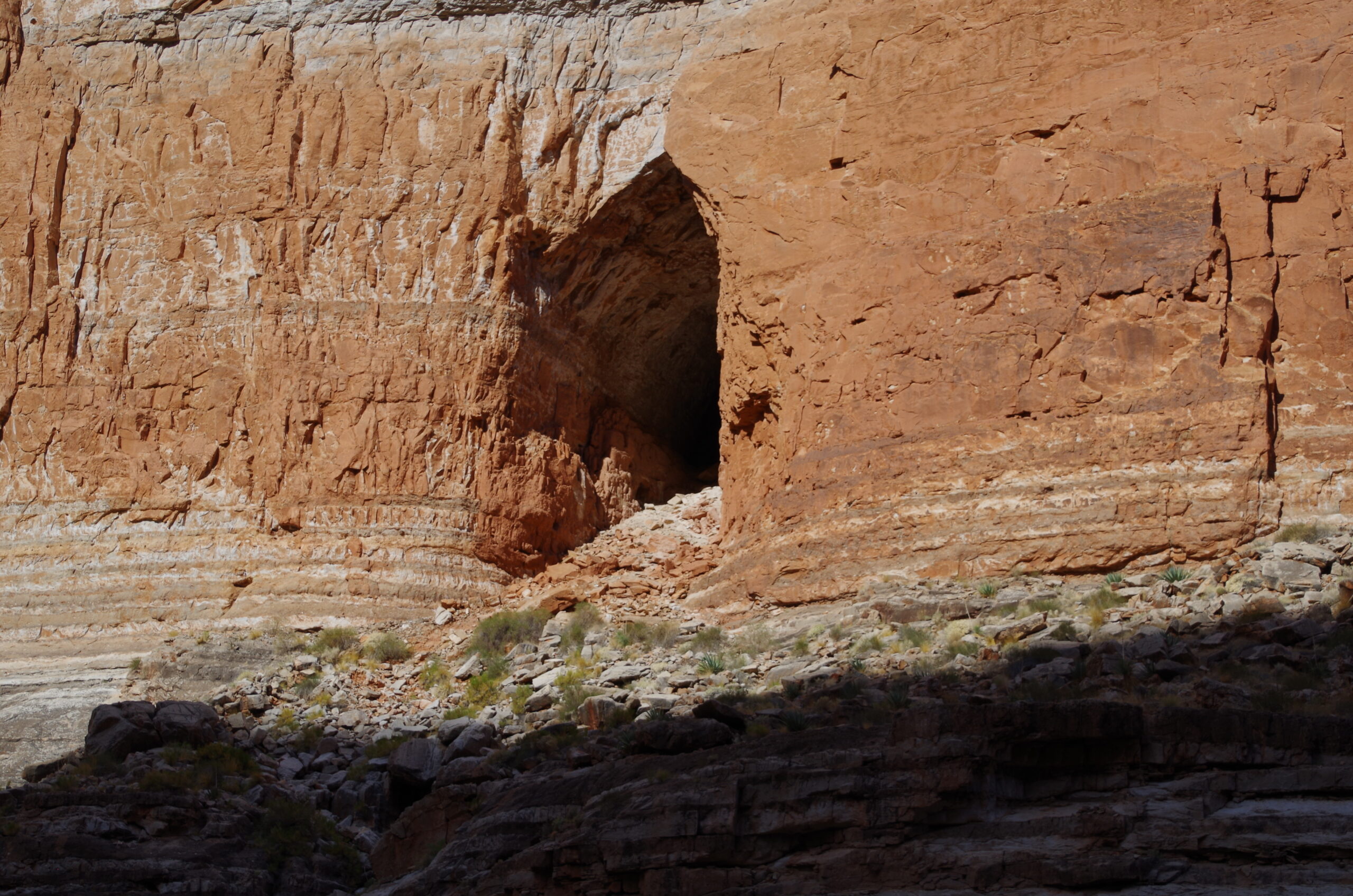
The Grand Canyon is full of archaeological and paleontological wonders, but one site that truly stands out for its unique treasures is Stanton’s Cave.
Named after Robert Brewster Stanton, the cave was used as a cache for supplies during his 1889 expedition. It’s about 140 feet deep and located roughly 31 miles downstream from Lee’s Ferry, just upstream of Vasey’s Paradise. Stanton stored provisions like coffee, sugar, flour, and baking powder in the cave, along with expedition equipment such as a revolver and camera gear.
 Although Stanton was among the first modern explorers to use the cave, he never actually ventured into its depths. That honor goes to Bus Hatch, who explored the cave during his 1934 Grand Canyon expedition with a group famously known as the Dusty Dozen.
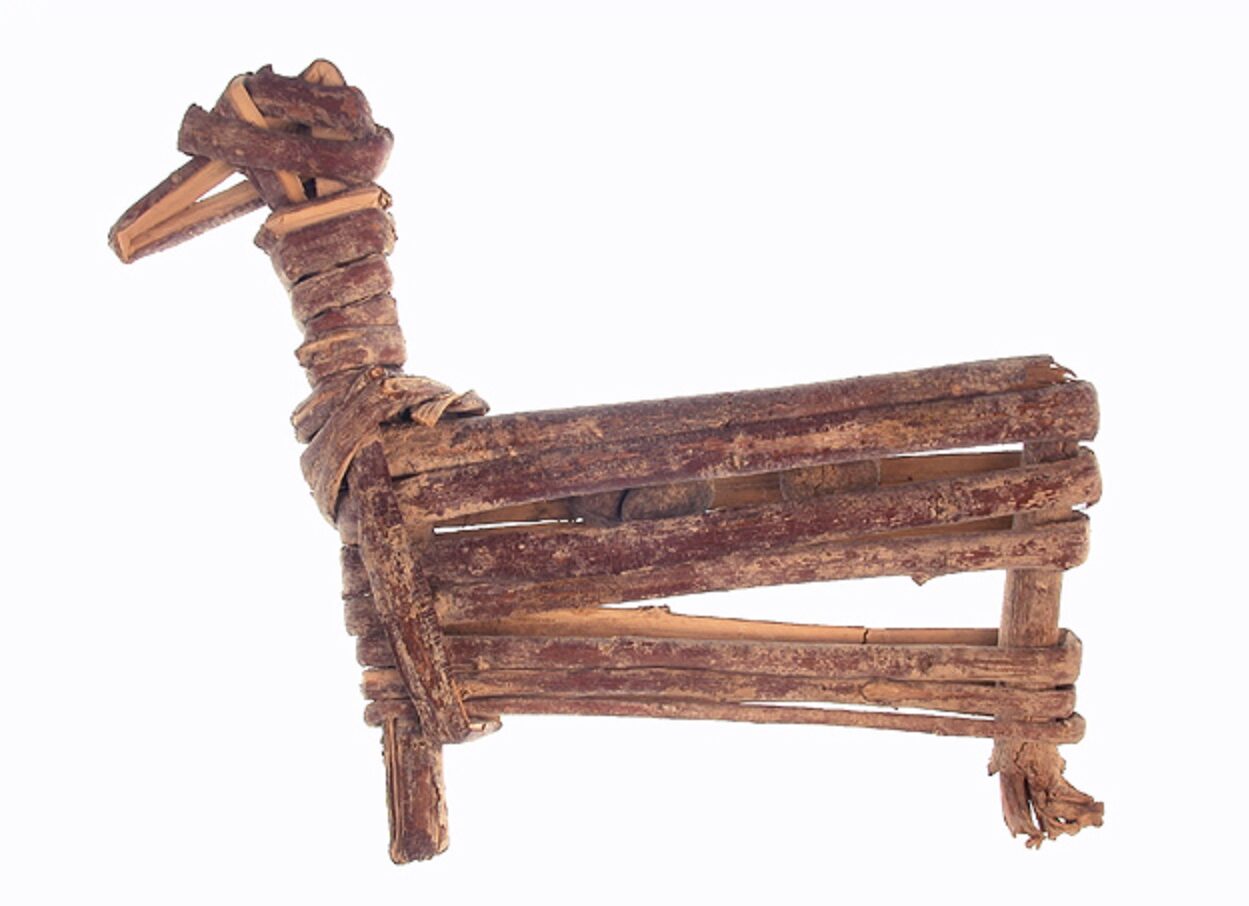
While exploring Stanton’s Cave, Bus discovered something extraordinary: a couple of split-twig figurines, the first of what would eventually total around 165 figurines excavated from the site.
These figurines are small animal effigies made from a single twig, usually willow, split down the middle and wrapped around itself to form figures resembling deer or bighorn sheep. These animals were commonly seen and hunted in the region. Carbon dating places these figurines at around 4,000 years old!

The original figurines discovered by Bus Hatch, along with others found in later excavations, have since found homes in museums and universities across the country, including Northern Arizona University and the Smithsonian Institution.
In the late 1960s, a more extensive, month-long excavation led by archaeologist Robert Euler revealed not only additional figurines but also a wealth of other archaeological and paleontological finds. Among the most remarkable discoveries were:
Today, Stanton’s Cave is barred off from public access to protect the delicate and still-unexplored archaeological remains inside. However, if you find yourself rafting down the Colorado River, you can still spot the cave entrance from the water.
Check out this blog to read an interview where Ted Hatch talks about the cave!

The Grand Canyon is full of incredible places to explore so let’s talk about one: Blacktail Canyon. Sitting at river mile 120 this slot canyon…
The Grand Canyon is full of incredible rock layers! Here we look at one of these layers: the Kaibab Formation!

So why is it called Whale Foundation? No, there are no whales in Grand Canyon Whale was the nickname of Curtis Hansen – a legendary river guide in his own right and a friend to all in the river rafting community. A boatman for Hatch starting in the late...