
The Grand Canyon is Full of Fossils! UPDATE: Today (Wednesday, October 14, 2026) is National Fossil Day! So, we thought it was...

Fossils in the Grand Canyon (It’s full of them!)
read more
Featured from Blog
The Grand Canyon is Full of Fossils! UPDATE: Today (Wednesday, October 14, 2026) is National Fossil Day! So, we thought it was...
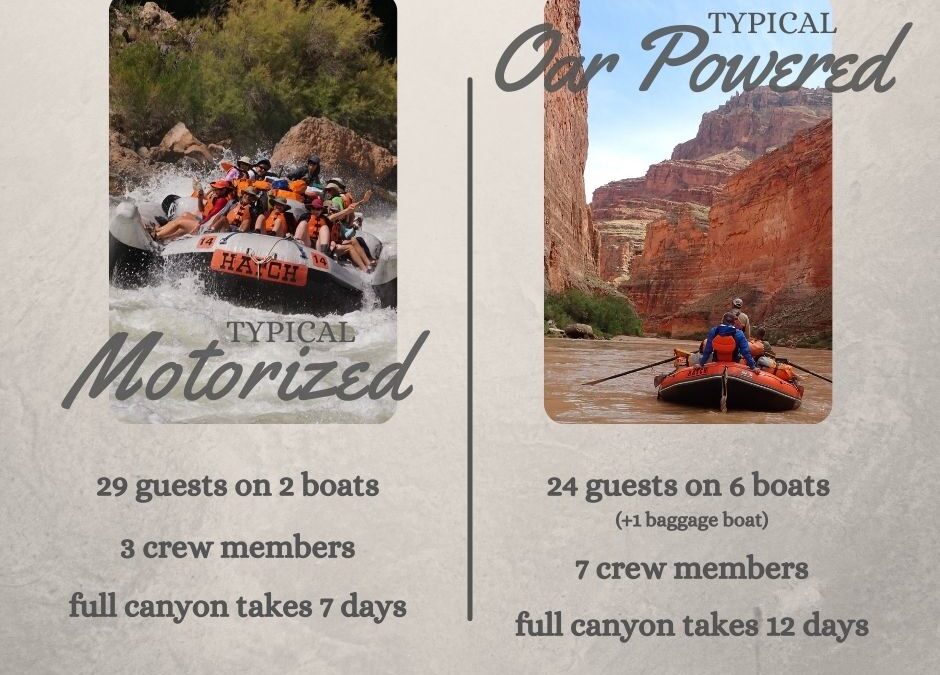
Motorized or Oar Powered? What Is Best for Your Grand Canyon River Trip? Guests who are just starting their vacation planning quickly...
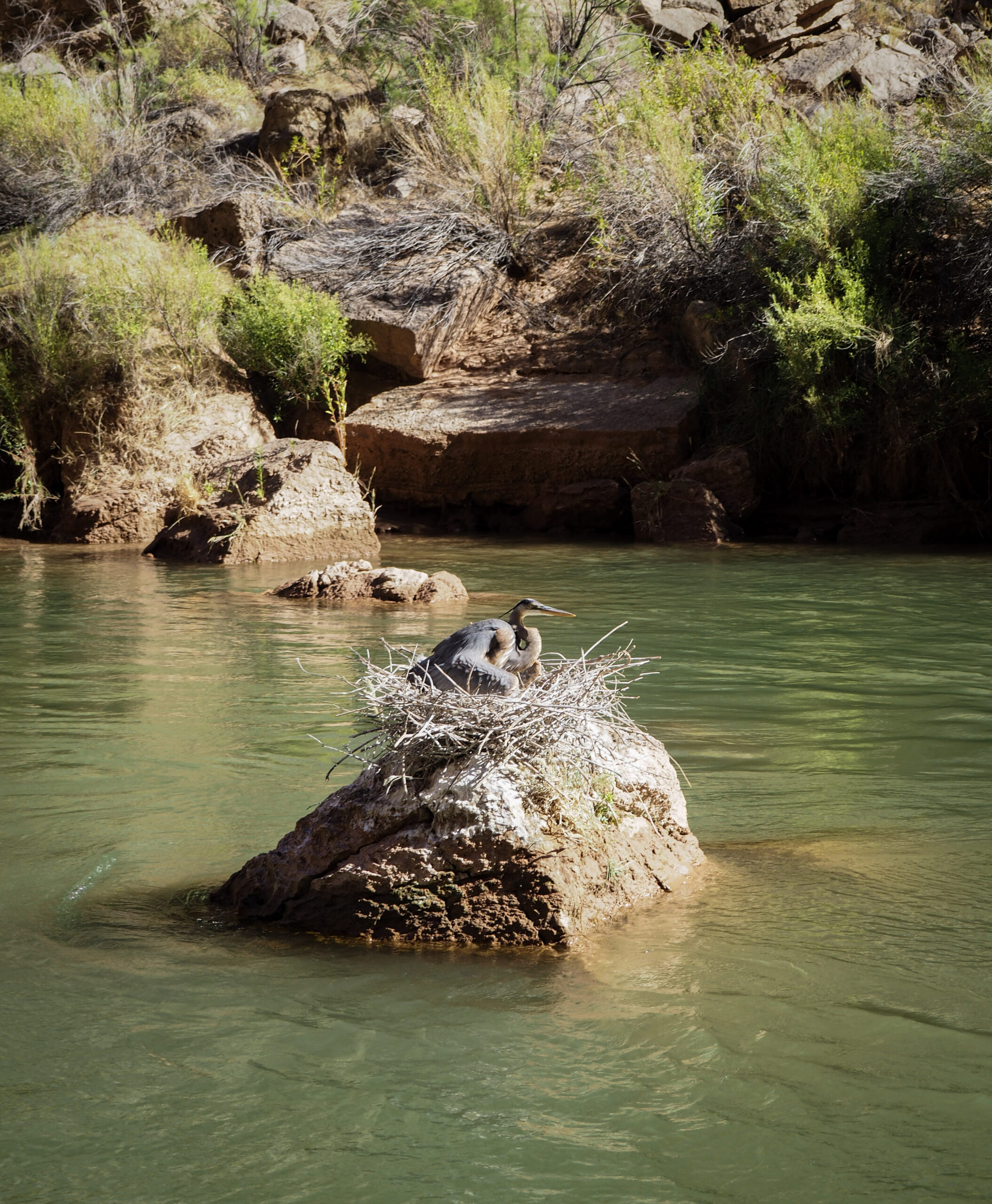
We all know that the Grand Canyon is home to an array of wildlife, from mountain lions and big horns to chuckwallas and rattlesnakes. But there is one animal that is commonly seen in the canyon and always seems to surprise visitors. That animal is the Great Blue Heron.
 Great Blue Herons are large wading birds that most people associate with wetlands like the Everglades. However, the Grand Canyon has a healthy population of Great Blue Herons as well. In fact, I don’t think there has been a single day that I’ve been on the river in the Grand Canyon when I haven’t seen at least one Great Blue Heron.
These birds are large, standing around 3 to 4 feet tall with a wing span that can reach around 6 feet! Despite their large size these birds are not heavy, they typically weigh less than 10 pounds. This is because of their hollow light weight bones, which helps make flight possible.
There are three main identifying features that are the quickest to spot when identifying these magnificent birds out in the wild. The first being their distinct blueish gray color. Second, their very thin long legs. Herons have these long thin legs in order to allow them to wade deeper into the waters they live around without getting their feathers wet. The third most recognizable feature of Great Blue Herons is their long necks! Because they have such long legs they need to have very long necks to reach down into the water to catch their food.
Great Blue Herons will eat most little critters they can find around them. Fish, frogs, mice, grasshoppers, and even smaller birds are all on the menu for great blue herons. These birds also have a very high density of rod photoreceptors within their eyes making it easy for them to hunt during both the day and night. This gives them even more opportunities to find their next meal!
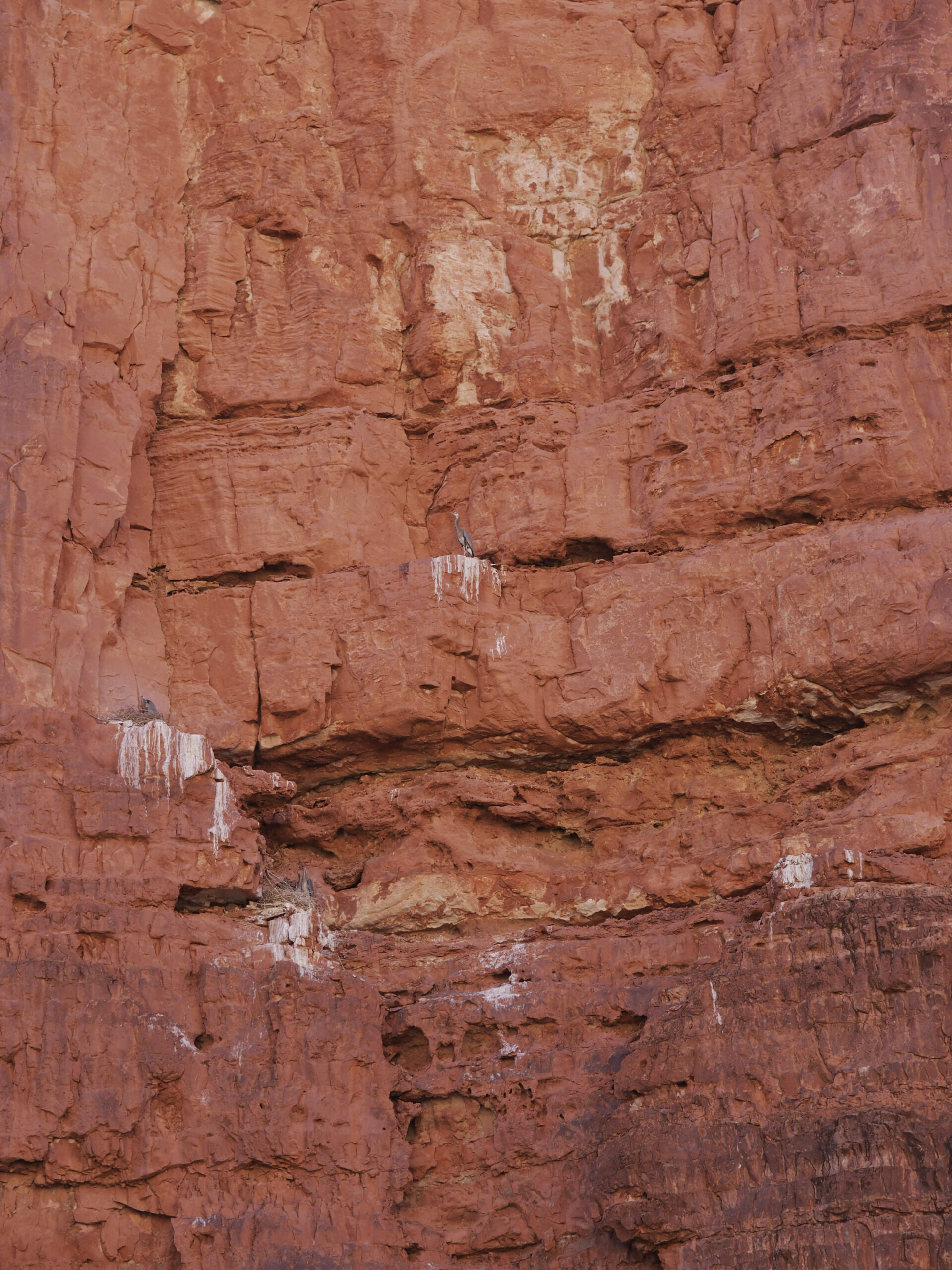 When flying, Herons curl their necks up into an s-shape and drag their legs behind them. Great blue herons can fly at speeds of around 20 to 30 miles an hour. While these birds tend to stay within a few miles of their nests most of the time, they have been known to fly around 30 miles away to find food.
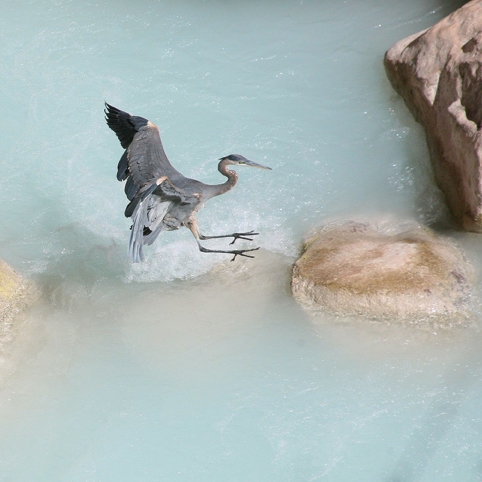
For most of the year Great Blue Herons are pretty solitary creatures, preferring to nest alone and protect their own small territory from others. But during mating season, which runs from February through June, they form nesting colonies called rookieries. These rookieries can be home to dozens of birds in a single season.
During their mating season Great Blue Herons lay anywhere from 2 to 6 eggs, which typically hatch around a month after being laid. For the next three months the herons spend their time raising their young and making sure they have the skills they need to survive on their own. Right around June, most of the chicks are ready to leave the rookery and live independently.
Great Blue Herons typically live for an average of 15 years, although some of them have been documented living well into their 20’s.
So when you are floating through the Grand Canyon, keep your eyes open and on the riverbanks for these incredible birds! Chances are you’ll see one patiently standing in the shallows waiting for its next meal.
Want to see what other birds make the canyon their home check out this blog!

On our trips we use whats called a duffel line to help unload the boats and set up camp, let’s talk about what it is and how to set one up.
Deciding what month you want to go on your Grand Canyon rafting trip is a big decision. Let’s talk about rafting in September!
Grand Canyon rafting trips in July and August amazing—here are 5 reasons why! Perhaps our most asked question in the Hatch office is: “When is the best time to go rafting in Grand Canyon?” In truth, when you will most enjoy rafting depends on who you are, what you...